
Beyond pizza – what really motivates your project team

By Lisa Harrison - Learning and Leadership Consultant
Lisa Harrison is a Sydney-based learning and development consultant and founder of The Learning Pyramid, where she helps project managers and technical experts make the shift from ‘doing’ to truly leading. She specialises in practical, evidence-based programs that turn project managers into confident people leaders who can engage stakeholders, motivate teams, and deliver results. Her flagship Certificate in Project Leadership focuses on the human side of projects – lifting team performance, reducing burnout, managing tricky stakeholders, and boosting project outcomes. If you would like to hear more about the skills for leading successful projects, you can connect with her at www.thelearningpyramid.com or at https://www.linkedin.com/in/lisajharrison/
Beyond pizza – what really motivates your project team
Shouting the team pizza will not fix a demotivated project team. Sorry.
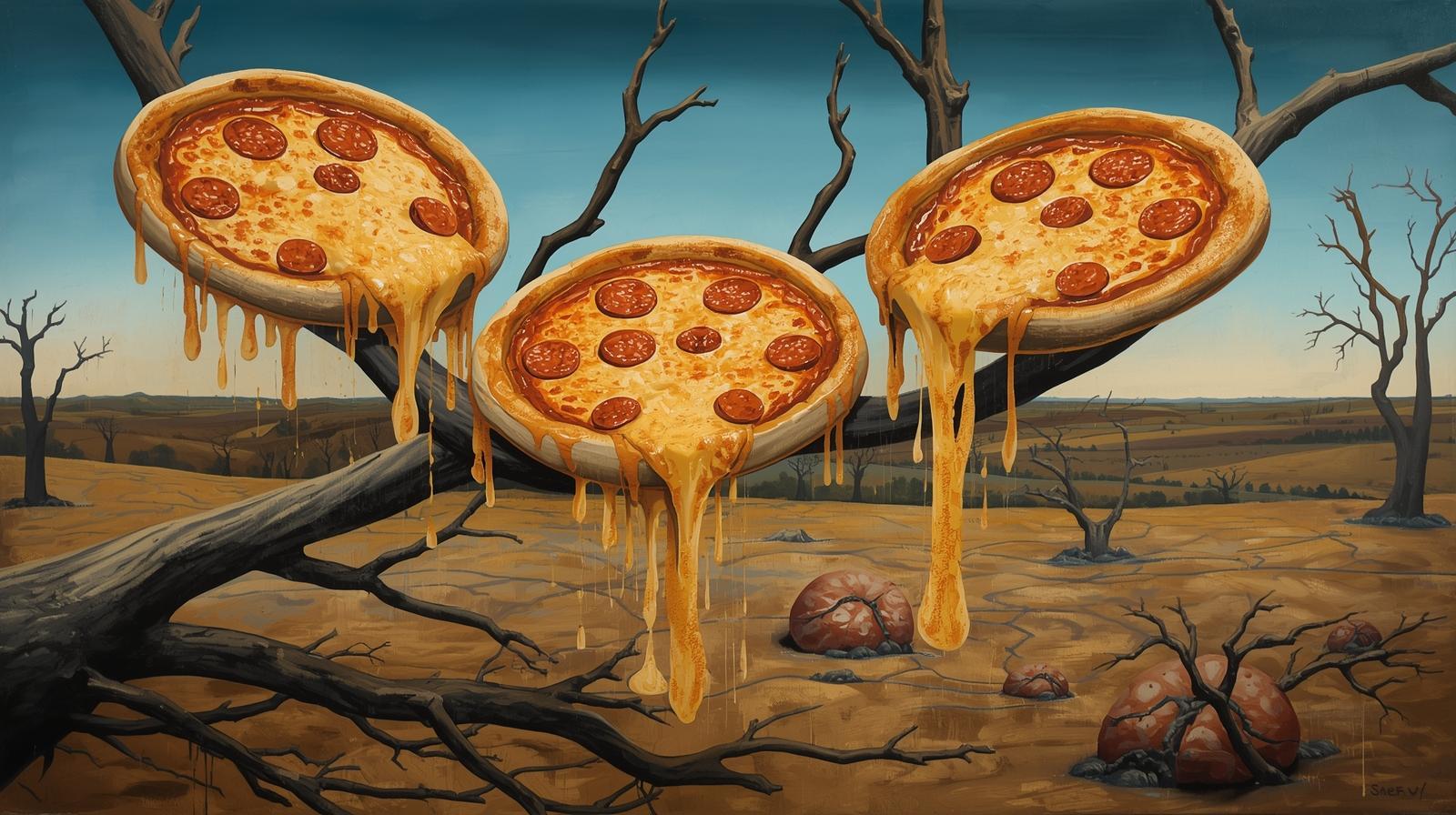
Everyone is doing it tough right now – cost of living, fatigue, end of year blues. Your project team is probably feeling it too. So someone suggests shouting pizza to boost morale. Look, I love pizza as much as the next person, but motivation does not come from ham and pineapple (oh no have I restarted the pineapple on pizza debate?).
There was a study at an Intel factory where they tested different motivators – pizza, cash vouchers, praise, and nothing. Pizza started strong but faded fast. The short version: treats give short-term spikes; real motivation runs deeper.
The four real drivers – not one of them is pizza
Between them, Deci and Ryan’s Self-Determination Theory and Dan Pink’s Drive – intersect with a list of four big drivers of motivation at work: autonomy, mastery, purpose, and relatedness. For project teams, they look something like this.
- Autonomy – Let adults be adults.
Are you letting your project team behave like adults, or are you micromanaging their every move? Even if you secretly believe your way is better, sometimes you need to delegate and let people find their own path. You are not the smartest person in the room 100% of the time. And even if you were, don’t be the smart one having to do all the thinking because everyone else got bored with being ignored. - Mastery – Let people get better, not just faster.
People want to improve at what they do. Don’t always assign tasks to whoever can deliver fastest. Occasionally give a piece of work to someone who will take longer because it is their first time. The short-term hit buys you long-term capability. - Purpose – Remind people why this matters.
Why does this project matter? On long, complex initiatives, it is easy to lose sight of the end user. Bring in customer stories; show the impact; help your team see more than the next sprint or work package or paycheck. - Relatedness – Remember we are herd animals.
That quiet feeling of ‘I do not want to let my team down’ is incredibly powerful. Create spaces where people actually know each other, not just each other’s job titles.
When these four ingredients are present, you get the kind of motivation that shows up on Monday morning, not just when there is a cheesy crust on the pizza. Mmmmm cheesy crust….
Don’t bring the project home by killing the team
In Agile circles, there is a principle that teams should work at a pace they can sustain indefinitely. Lovely idea. A sustainable and emotionally intelligent approach to team performance. Yet I keep meeting people on Agile and ‘Agile-lite’ projects who say things like: ‘I cannot believe how busy I am – I never seem to go home.’
A senior project director once said to a colleague after her first big project: ‘Yes, you brought it home. Well done. But not a single person on your team is ever going to work with you again.’
Looking after your people is like the rebar in concrete foundations. Leave it out and things may look fine for a while, but eventually the structure cracks. Exhausted people work slower, make more mistakes, and become less creative at solving the exact problems you are paying them to solve.
Building welfare into the plan (not bolting it on at the end)
Team welfare is not a poster on the wall – it is a design choice. A few simple examples.
- Design meetings for humans, not robots.
Have your usual project meetings, plus something specifically designed for connection and wellbeing. Not a disguised status update – a genuine chance to check in and decompress. - Protect real breaks.
In crunch periods, even a short, protected window where people know they will not be pulled into ‘just one more quick call’ can make a difference. - Rotate the hot seats.
Do not let the same people carry the heaviest load sprint after sprint. Rotate on-call roles, critical demo responsibilities, or stakeholder ‘front line’ duty. - Let people bring their whole selves to work.
Know your people as whole people, connect on a personal level. As a leader, you should know enough about them, and care enough about them, to buld a relationship of trust.
During COVID, lots of remote teams had online catch-ups where the only agenda item was ‘How was your weekend?’. Most of us have lost that habit now, but it had real benefits for team sustainability.
Motivation as a project tool, not an afterthought
When projects slip, we are quick to add more reporting, more process, more governance. More meetings! Sometimes what we actually need is more motivation – the deep kind that comes from autonomy, mastery, purpose, and relatedness, not from free food.
By all means, shout the team pizza occasionally. Just do not confuse it with a motivation strategy. The real levers are built into the way you structure the work, the way you lead, and the way you look after your people along the way.
What do you do to motivate your team through the valley of despair aka the tough times? how do you encourage them in that discretionary effort that projects need for success?
I’d love to hear your thoughts on motivating your project team – or which side you take on the pineapple on pizza debate. Hit me up at https://www.linkedin.com/in/lisajharrison/ or lisa@thelearningpyramid.com