PMI Sydney Chapter - Antifragile Scheduling
🎯 Event Overview
🌪️ In today’s volatile project environments, traditional planning and scheduling often aim for resilience—the ability to withstand shocks. But resilience isn’t enough: projects rarely unfold as planned, and schedules can collapse under variability, rework, and unforeseen events.
🔁 What if schedules could do more than survive disruption—what if they could *benefit* from it? Inspired by Nassim Nicholas Taleb’s concept of antifragility, this session introduces **antifragile scheduling**: designing delivery plans that don’t just absorb uncertainty, but improve because of it.
🔎 We will explore:
⚠️ The limitations of conventional methods in dynamic, complex projects.
🧠 Principles of antifragility in scheduling: changeability, adaptability, and feedback loops that strengthen the plan as the project evolves.
🛠️ Practical strategies: structuring work fragments, enhancing risk analysis, embedding decision points, exploiting variability, and learning from deviations rather than merely correcting them.
🏁 By moving beyond resilience, project controls can unlock scheduling approaches that thrive in uncertainty, reduce fragility, and create real competitive advantage in delivery.
💡 Learning Objectives
- Understand why traditional schedules break down in complex, fast-changing project environments, and why resilience alone is no longer sufficient.
- Learn the principles of antifragile scheduling and how they apply to real project delivery, not just theory.
- Gain practical techniques to design schedules that adapt, strengthen, and improve in response to uncertainty and change.
- Discover how to use variability, risk, and deviations as inputs for learning and better decision-making, rather than issues to be suppressed.
- See how antifragile scheduling can improve delivery confidence, reduce fragility, and create competitive advantage in uncertain environments.
- Network with peers and share experiences over refreshments.
BIO
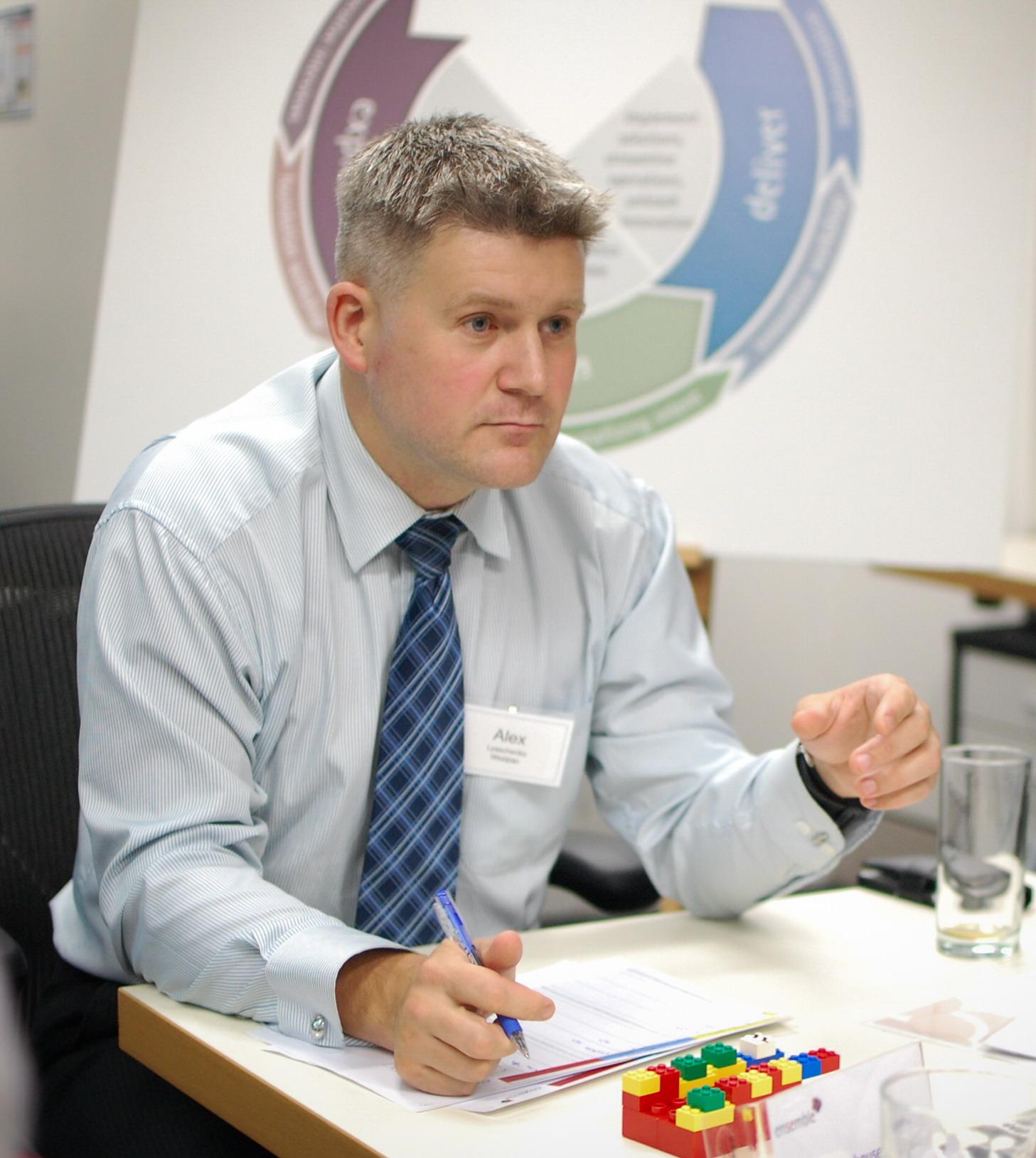
Alex Lyaschenko, Portfolio Planning and Delivery Consultant
Alex brings over 20 years of project management experience across industries and countries. He has led portfolio and program offices in implementing best-practice scheduling, risk management, portfolio optimisation, and benefits realisation frameworks. His expertise covers Enterprise Master Schedules, interdependency management, Waterfall–Agile integration, maturity assessments, and resource management. Alex has a strong track record in helping organisations adopt practical tools and methods that integrate projects seamlessly and deliver measurable business value.
It is no longer possible to register for this event